
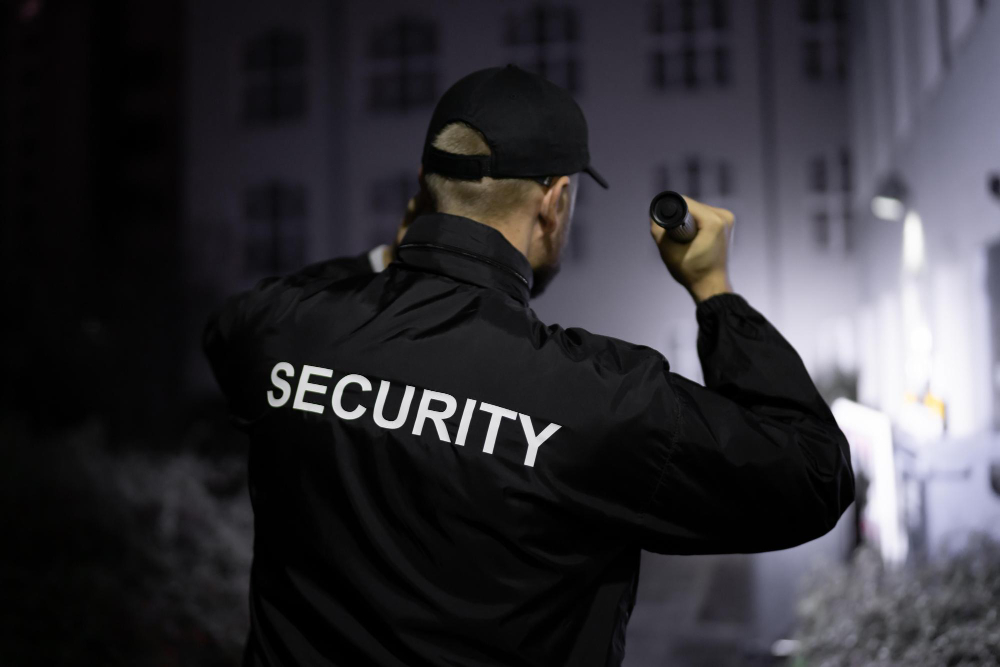
How Delaware Security Companies Enhance Your Safety And Peace of Mind
- Author By Christopher Quirk
Quick Summary
Professional security goes well beyond a guard at the door. Visible, well-trained coverage deters threats before they develop, and a properly structured plan covers access control, emergency readiness, and real-time response. Agent quality and provider accountability are what separate a dependable security partner from one that simply fills a shift.
There is a version of security that looks good on paper and another version that works when it counts. Delaware security companies vary widely in how they operate, what they prioritize, and whether their clients feel taken care of.
At Personal Protection Solutions, we have built our entire approach around delivering both protection and confidence. Safety and peace of mind are not separate outcomes. They come from the same level of preparation, responsiveness, and care.
What Delaware Security Companies Actually Provide
The word “security” gets used loosely. Cameras on a wall, a guard at a front desk, and a gate lock are components, not a plan. A professional security company pulls those elements together into something intentional.
At a foundational level, quality security services cover:
- Trained on-site personnel: agents who are present, alert, and prepared to respond, not just visible
- Access control: managing who enters a property, when, and under what conditions
- Surveillance monitoring: active review of cameras and systems, not passive recording
- Emergency response readiness: protocols in place before anything goes wrong
- Customized coverage plans: arrangements designed around a specific client, property, and threat profile
The difference between a security presence and a security plan is significant. A plan anticipates. A presence reacts. Professional companies operate in both modes simultaneously.
The Deterrence Effect
One of the most underappreciated aspects of professional security is what it prevents without any visible action. Trained agents and visible coverage send a clear signal to anyone considering a property as a target. Criminal activity is far less likely to occur in environments where security is visible, organized, and clearly professional.
This is not just about high-profile venues or executives. A well-secured commercial property, event, or residential estate communicates that the people inside take protection seriously. Opportunistic threats tend to move on when resistance is apparent.
The deterrence effect is also psychological for clients. Knowing coverage is in place allows people to focus on what they are there to do, whether that is running a business, hosting an event, or spending time with family.
How Event Coverage Works in Practice
Events have unique security requirements. Crowd flow, access points, guest verification, emergency exits, and on-the-ground response must all be coordinated in real time. A team that handles event security guard work understands that the environment is constantly changing and that no two events unfold the same way.
Good event security does several things at once:
- Perimeter management: controlling who enters and from where
- Crowd awareness: reading the room and identifying tension before it escalates
- Coordination with venue staff: working alongside existing personnel, not around them
- Rapid response capability: having a clear protocol when something unexpected happens
- Client communication: keeping organizers informed without creating disruption
The goal is an event where guests feel relaxed, and hosts feel covered. A well-executed security presence is one that attendees barely notice, and one that the client feels throughout the entire experience.
The Psychological Side of Feeling Safe
Peace of mind is not a soft benefit. It has a real impact on how people function. Once the question of personal safety is addressed, attention can turn elsewhere. Executives make clearer decisions. Families sleep better. Business owners operate without the low-level worry that something could go wrong at any moment.
Professional security removes that background noise. It is not about fear — it is about removing an unnecessary distraction from daily life. Clients who have reliable coverage report a noticeably different experience than those managing security concerns on their own.
This is where the provider’s quality matters considerably. A company that communicates well, shows up prepared, and adapts to the client’s specific circumstances creates a fundamentally different experience than one that fills a shift and moves on.
Agent Quality Is the Real Variable
Coverage is only as dependable as the people delivering it. Agents should have backgrounds in military service, law enforcement, or formal executive protection training. Vetting, ongoing training, and accountability within a team structure are non-negotiable for a company that takes its work seriously.
At Personal Protection Solutions, agents are handpicked and trained to a standard that reflects the company’s founding principle. Clients deserve better than the industry average, and the people protecting them should prove it every time they show up.
Choosing a Partner Worth Trusting
Security is a relationship, and the best providers treat it as one. Regular check-ins, plan adjustments as circumstances change, and genuine responsiveness make the difference between a vendor and a partner.
Reach out to work with a team that prioritizes your safety and your peace of mind equally
FAQs
How do security companies handle situations they did not plan for?
Experienced agents are trained to adapt in real time. Formal emergency response protocols cover scenarios outside the standard plan, and regular drills keep teams prepared for situations that fall outside expected parameters.
Does visible security make clients a more obvious target?
A professional, well-organized security presence tends to discourage rather than attract unwanted attention. Visible coverage signals preparedness, and most threat actors look for easier, less protected environments.
What should someone look for when vetting a security provider?
Look at agent backgrounds, training standards, licensing, and how the company communicates during the onboarding process. A provider you can trust will ask detailed questions about your situation before presenting any coverage plan.