

Surveillance Services
Surveillance supports decisions that need facts rather than assumptions. Common assignments include:
- Documenting after-hours activity around a loading dock, warehouse, or construction site
- Observing activity tied to an insurance claim, workers’ compensation matter, or civil case at an attorney’s request
- Watching a location connected to suspected theft or policy violations
- Confirming a pattern before a client changes security staffing or access controls
Our investigators record dates, times, locations, and the limits of each observation period. One sighting rarely establishes a pattern, so findings are compared against other reliable information before any conclusion is drawn.
Counter Surveillance Services
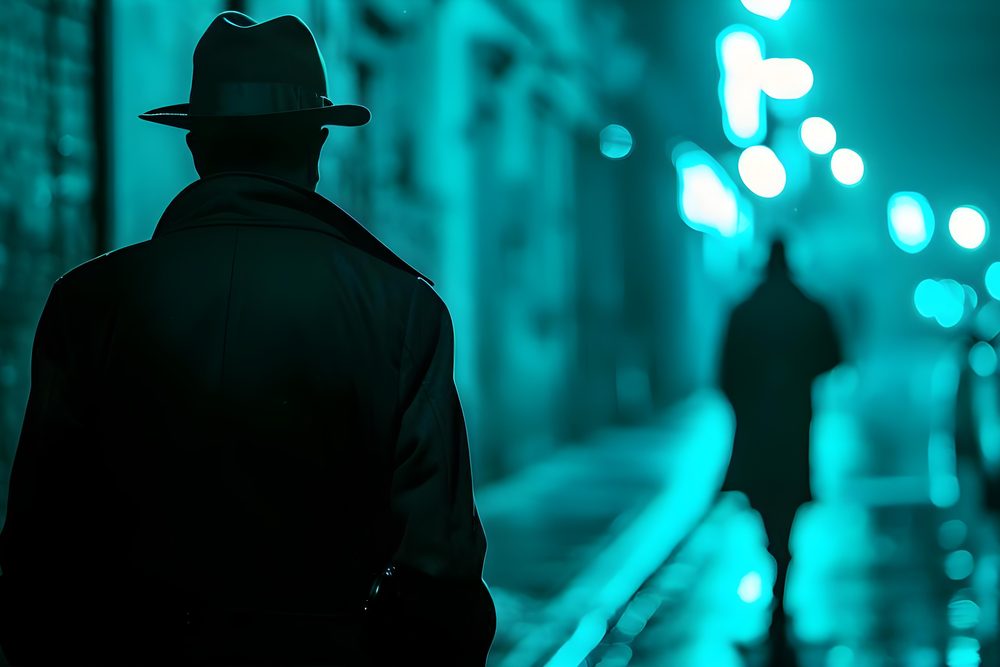
Counter surveillance protects people whose movements may interest others: executives heading into a sensitive negotiation, public figures, high-net-worth families, and individuals dealing with persistent unwanted attention. Warning signs include the same vehicle or person appearing at different locations, private schedule details becoming known to outsiders, or unexplained interest in a residence or office.
Route and routine analysis
Predictable travel between a home, office, school, and gym gives an observer easy opportunities. We assess how exposed a routine is and recommend practical changes, often alongside our executive protection and transportation services.
Residence and venue assessments
We review sight lines, camera coverage gaps, and access points around a home, private event, or meeting location. Findings can feed directly into estate security planning for residences that need a long-term plan.
Protective counter surveillance during details
When PPS provides close protection for high-net-worth clients, agents can watch for signs of hostile surveillance around the client in real time, adding early warning without disrupting the client’s day.
Lawful Methods and Clear Reporting
Recording private conversations, tracking a vehicle without consent, accessing accounts, or entering private property can violate federal and state law, and we do not use those methods. Rules differ by state. In Maryland, for example, private detectives are certified through the Maryland State Police Licensing Division. We confirm permissible methods for your location before work begins.
You choose how updates are delivered. Some clients want short field updates during an active assignment, while others prefer one detailed timeline at the end. For more on what investigators can and cannot do, read whether you can legally hire a private investigator.
Why Choose Personal Protection Solutions
Our founder, Christopher Quirk, is a U.S. Army veteran with 18 years of service and more than 500 executive protection details. That protective experience means our team knows what hostile surveillance looks like and how to spot it. You work with a dedicated point of contact, can reach us 24/7 for urgent concerns, and receive pricing that is typically lower than large national firms.