
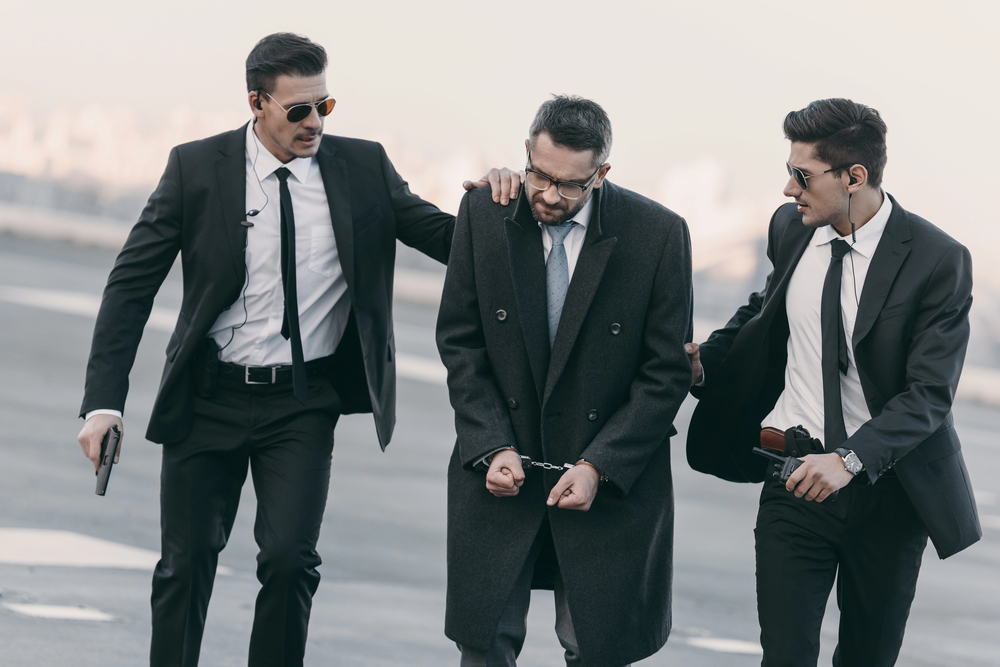
Should Security Guards Be Armed?
Should security guards be armed? This is a question many organizations face when evaluating how to protect people, property, and operations. From corporate offices and construction sites to large public gatherings, the decision to use armed or unarmed security requires careful consideration of threat levels, legal requirements, and operational goals.
This article explores the role of armed security guards, the advantages and drawbacks, appropriate use cases, and how to determine the right level of protection for different environments.
The Role of Armed Security Guards
Armed security guards are trained professionals authorized to carry firearms while performing protective duties. Their role extends beyond presence and observation, as they are expected to respond to high-risk incidents that could involve violent threats.
These guards typically undergo more extensive background checks, firearms training, and ongoing qualification requirements. Their responsibilities often include deterrence, rapid response to active threats, and coordination with law enforcement when necessary.
Understanding this expanded role is critical before deciding whether armed security is appropriate for a specific setting.
Why the Question Matters
Deciding whether security personnel should be armed is not simply a budget or preference issue. It directly affects safety, liability, and public perception. Armed guards can offer enhanced protection in high-risk environments, but they also introduce additional responsibilities and risks.
Organizations must balance deterrence and preparedness with accountability and community comfort. Asking this question forces decision-makers to evaluate real risks rather than rely on assumptions.
Situations Where Armed Security Is Often Considered
Armed security is commonly deployed in environments with elevated risk. These include locations that handle high-value assets, sensitive information, or large volumes of cash. Certain facilities face greater exposure to targeted threats due to their visibility or function.
Events with large crowds may also warrant additional protection. In some cases, an event security guard team may include armed personnel positioned discreetly to respond to severe incidents while maintaining a welcoming environment.
High-profile individuals, critical infrastructure, and locations with a history of violent crime are other examples where armed security may be appropriate.
The Deterrent Effect of Armed Guards
One of the primary arguments in favor of armed security is deterrence. The visible presence of a trained, armed professional can discourage criminal activity before it begins.
Potential offenders are less likely to target locations where they know immediate armed resistance is possible. This deterrent effect can reduce incidents such as armed robbery, violent intrusion, and coordinated attacks.
However, deterrence depends on professionalism. Guards must be well-trained, disciplined, and clearly operating within defined protocols.
Response Capabilities During Critical Incidents
Armed guards provide a higher level of response capability in situations involving active threats. When seconds matter, the ability to confront and neutralize a violent attacker can prevent loss of life and reduce harm.
This capability is particularly important in environments where law enforcement response times may be delayed. Armed security can serve as an immediate line of defense until authorities arrive.
That said, response capability must be matched with sound judgment, training, and strict rules governing the use of force.
Legal and Liability Considerations
One of the most important factors in deciding if security guards should be armed is legal compliance. Regulations governing armed security vary by state and locality. Licensing, training standards, and firearm authorization requirements must be met without exception.
Liability is another major consideration. Armed guards increase potential legal exposure if firearms are used improperly or without justification. Organizations must ensure that policies, insurance coverage, and oversight mechanisms are in place.
Clear use-of-force guidelines and thorough documentation help reduce legal risks while promoting accountability.
Training and Professional Standards
Armed security requires a higher standard of training than unarmed roles. Guards must be proficient in firearm handling, threat assessment, de-escalation techniques, and decision-making under stress.
Ongoing training is essential. Skills degrade over time, and legal standards evolve. Regular requalification and scenario-based training help ensure guards respond appropriately in real-world situations.
Professional standards also include emotional control, communication skills, and respect for the public. A firearm should never replace sound judgment.
When Unarmed Security May Be More Appropriate
Not every environment benefits from armed security. In lower-risk settings, unarmed guards may be more suitable and effective. Their presence can provide access control, monitoring, and customer assistance without introducing the risks associated with firearms.
In schools, healthcare facilities, retail environments, and corporate offices, unarmed guards often align better with organizational culture and public expectations.
The key is matching the security posture to the actual risk rather than defaulting to the highest level of force.
Public Perception and Environment
How people perceive security measures matters. Armed guards can reassure some individuals while making others uncomfortable. This reaction often depends on context, visibility, and behavior.
At public events or commercial spaces, armed personnel are sometimes positioned discreetly while unarmed guards handle frontline interaction. This layered approach allows protection without creating an intimidating atmosphere.
Understanding audience expectations helps organizations deploy armed security effectively and responsibly.
Cost Considerations and Resource Allocation
Armed security typically costs more than unarmed services due to training, licensing, insurance, and higher compensation. Organizations must evaluate whether the increased cost aligns with the level of risk and operational needs.
Budget decisions should consider long-term value rather than short-term savings. Investing in the appropriate level of security can prevent costly incidents and reputational damage.
Strategic planning ensures resources are allocated where they provide the greatest protective benefit.
Making an Informed Security Decision
The decision on should security guards be armed should be based on a thorough risk assessment. This assessment considers threat levels, location characteristics, public exposure, and operational objectives.
Consulting experienced security professionals helps organizations avoid overreacting or underpreparing. A customized approach ensures security measures are proportional, effective, and legally compliant.
There is no one-size-fits-all answer, only informed choices based on real-world conditions.
The Importance of Layered Security
Armed guards should never be the sole security measure. Effective protection relies on layered security that includes access control, surveillance, procedures, and trained personnel.
Armed security functions best as part of a comprehensive strategy rather than a standalone solution. When combined with planning and intelligence, it enhances overall resilience.
This approach reduces reliance on force while increasing overall safety.
Weighing the Pros and Cons Objectively
The advantages of armed security include deterrence, rapid response, and enhanced protection in high-risk environments. The drawbacks include higher costs, increased liability, and the need for strict oversight. Decision-makers must weigh these factors objectively. Emotional reactions or assumptions can lead to ineffective security choices.
A Strategic Perspective on Armed Security
Armed security is a powerful tool when used appropriately and responsibly. It should align with clearly defined risks, professional standards, and legal frameworks.
Organizations that approach security strategically are better positioned to protect people, assets, and reputations over the long term.
A Balanced Conclusion on Armed Security Decisions
Choosing whether to deploy armed security requires balancing deterrence, response capability, and responsibility. The right decision depends on risk, environment, and the ability to manage armed personnel professionally.
We support clients through Personal Protection Solutions by delivering tailored security and investigative services based on real-world risk assessments. Our team provides executive protection, investigations, armed and unarmed security, patrol services, surveillance, and counter-surveillance to help organizations implement the right level of protection with confidence.
Get in touch with us today to discuss whether armed or unarmed security is the right fit for your organization’s safety needs.